
We talk to a lot of independent artists who tell us they "tried ads once and it didn't work." When we dig into what happened, it's almost always one of the same few mistakes. None of them come from a lack of talent or effort. They come from the way Meta's tools are set up, which makes the easiest option look like the right one.
So before you spend another dollar, here are the four mistakes we see most often, and what to do instead.
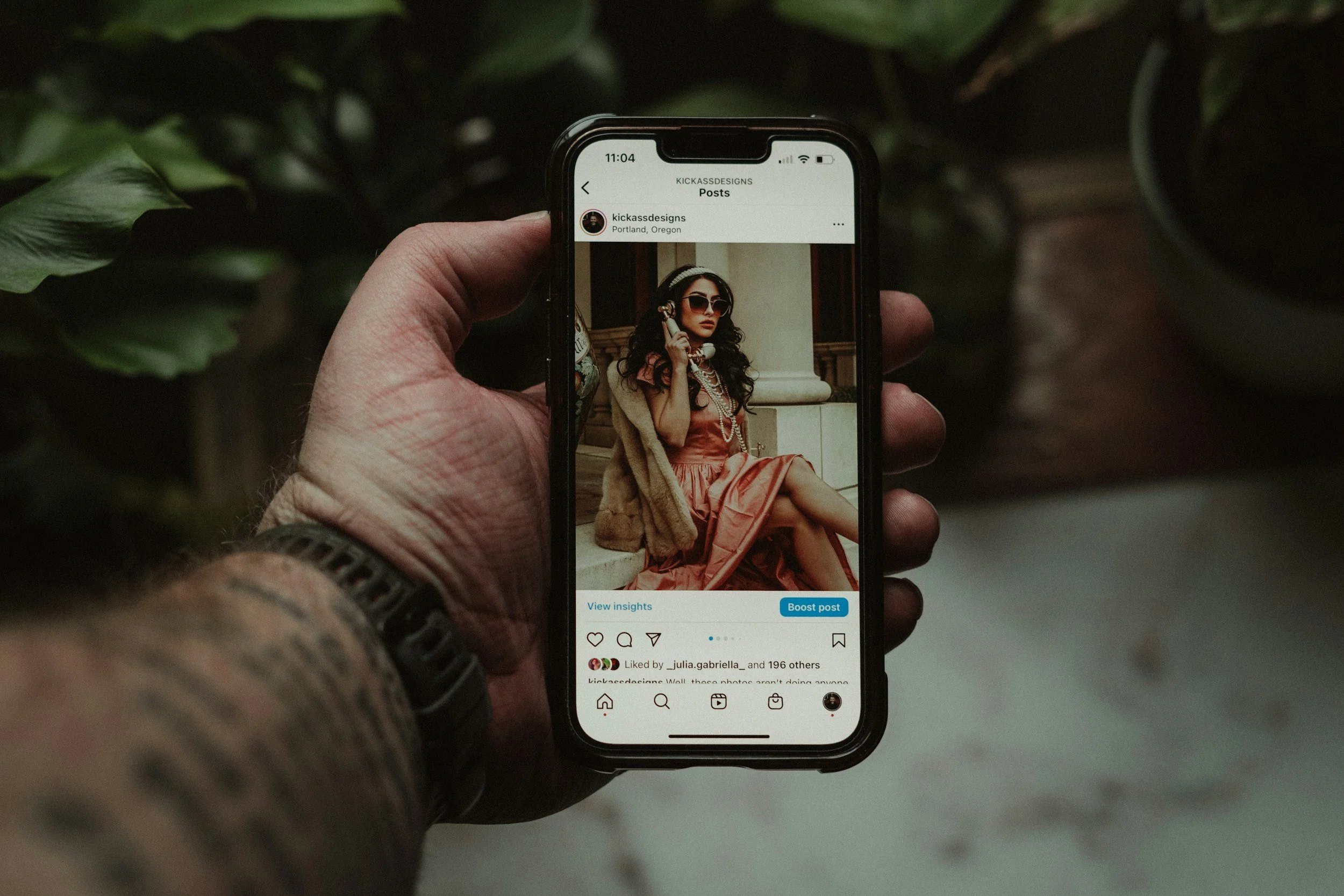
Mistake #1: Hitting the "Boost" Button
The Boost button is right there under every Instagram post, and it's tempting. A couple of taps, pick a budget, done. The problem is that boosting gives you much less control. It's built for convenience, not for results.
Boosted posts often lean toward likes and profile visits, which feel good but don't necessarily lead to new listeners. You also get fewer options for testing and targeting.
Instead: run your campaign through Meta Ads Manager, where you can choose your goal (like sending people to your song), test several versions, and see real data on what's working.
Mistake #2: Using Horizontal Video
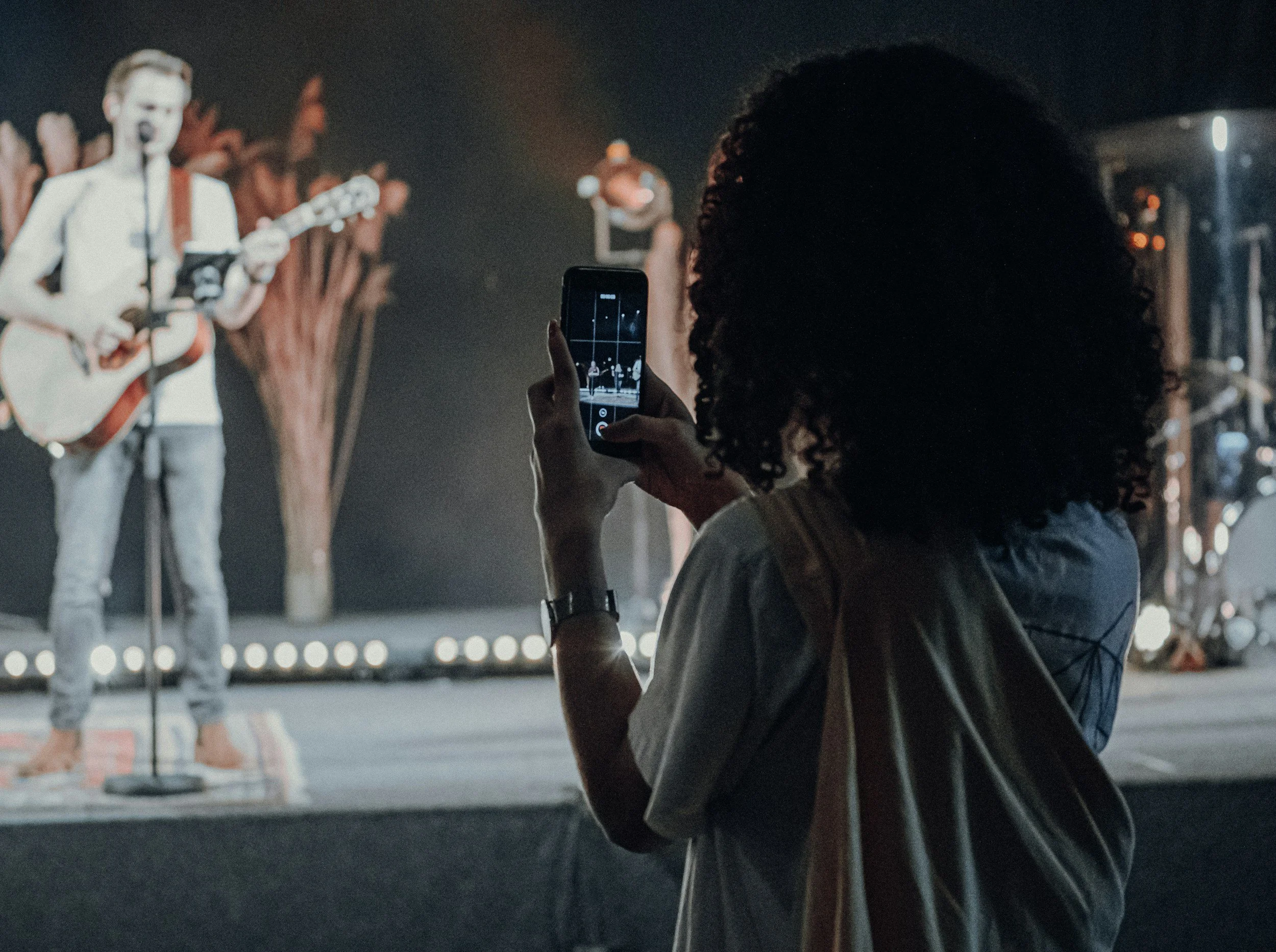
A horizontal music video or a wide shot from a show can look amazing on YouTube. On Instagram, it shows up as a small strip in the middle of a tall screen, and people scroll right past it.
Instead: use vertical video (9:16) whenever you can. Fill the screen, open with movement or a face in the first two seconds, and use the strongest part of your song. A phone clip shot vertically will usually beat a beautiful horizontal video in the feed.
Mistake #3: Sending Ads to Your Link-in-Bio
This one is sneaky. It seems smart to send people to a page with all your links so they can choose where to go. But every extra tap is a chance for someone to lose interest. Someone who liked a 15-second clip wants to hear the song, not scroll through your merch, your tour dates, and three older releases.
Instead: send people to one place with one clear action, usually a link that takes them straight to the song on their preferred streaming platform. The fewer choices between the ad and the song, the better.
Mistake #4: Spending Too Little to Learn Anything
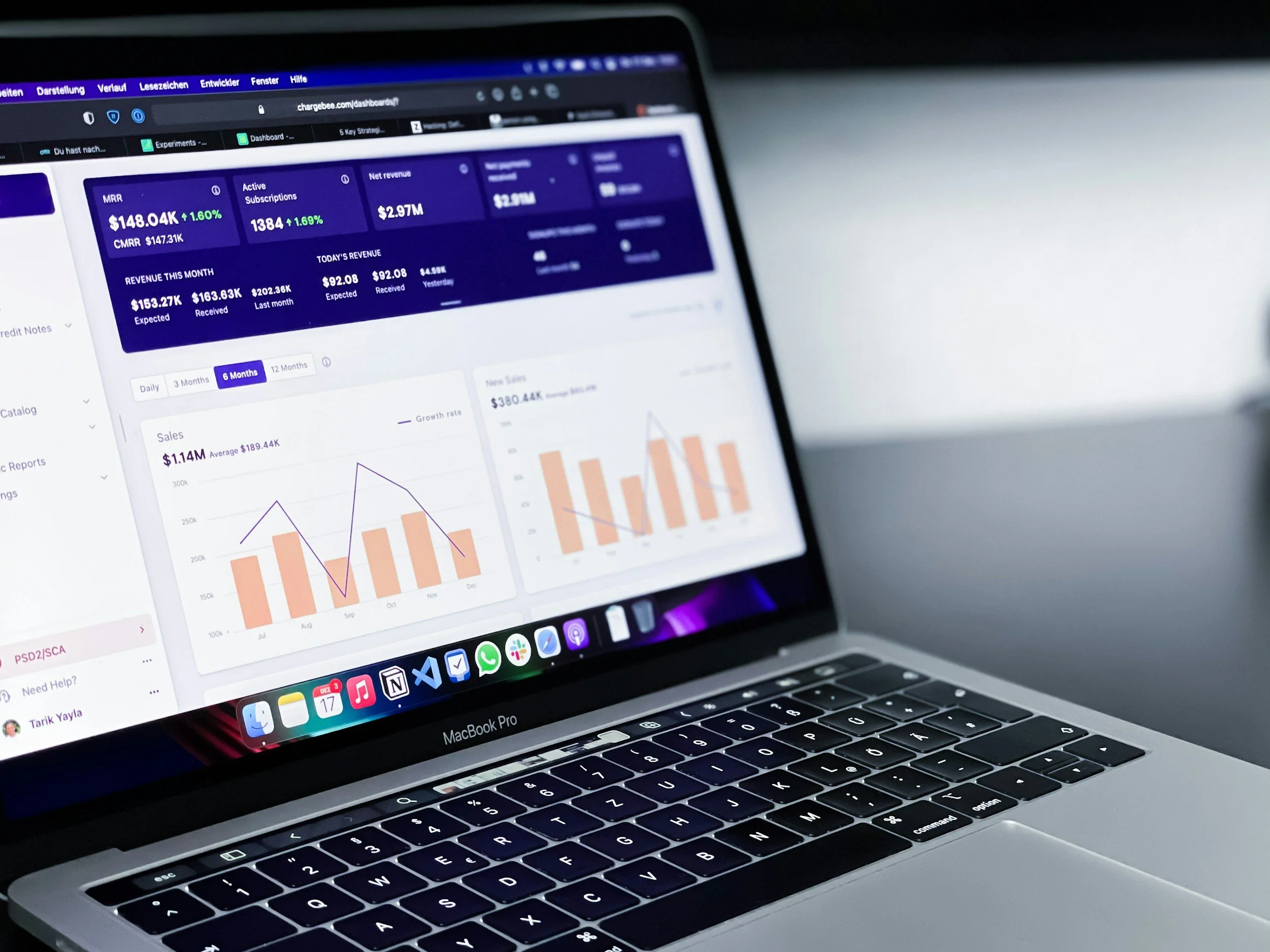
Wanting to start small is completely understandable, and starting small is smart. But there's a point where a budget is too small to tell you anything. Twenty dollars over a week might get your ad in front of some people, but it won't give Meta enough data to find your audience or give you enough information to make decisions.
Then the campaign "didn't work," and it's easy to decide ads just aren't for you. In reality, it never had a real chance to work.
Instead: plan for at least $150 in ad spend for a single release campaign. That's enough to test a few variations, find a winner, and learn something you can use next time. If that's not in the budget yet, it's better to wait a release and save up than to spread too little too thin.
The Honest Truth About Meta Ads
Ads aren't magic, and anyone who promises you a specific number of streams or followers is guessing. But when they're set up the right way, with the right creative, a clear destination, and enough budget to learn, they're one of the most direct ways an independent artist can reach new listeners.
Most of what makes ads work isn't complicated. It's just not obvious until someone walks you through it.
So Where Do You Start?
If you know who your music is for and you're ready to reach them, Spark is built for exactly this. It's a 30-day Meta ads campaign for a single release: you bring the clips, and we handle the copy, targeting, testing, and weekly optimization, with an end-of-campaign report so you can see where every dollar went.
If you're not sure who your audience is yet, start one step earlier. A First Press strategy session helps you get clear on your sound, your story, and the listeners most likely to care, so when you do run ads, you know exactly who to put them in front of.
Skip the Boost button. Build something that teaches you who your fans are.