
Why Your Email List Is the Most Valuable Thing You'll Build as an Independent Artist
Let's be honest: you don't own your Instagram followers. You don't own your TikTok audience. You don't even really own your Spotify listeners. Those platforms can change their algorithm tomorrow, tank your reach overnight, or disappear entirely - and there's nothing you can do about it.
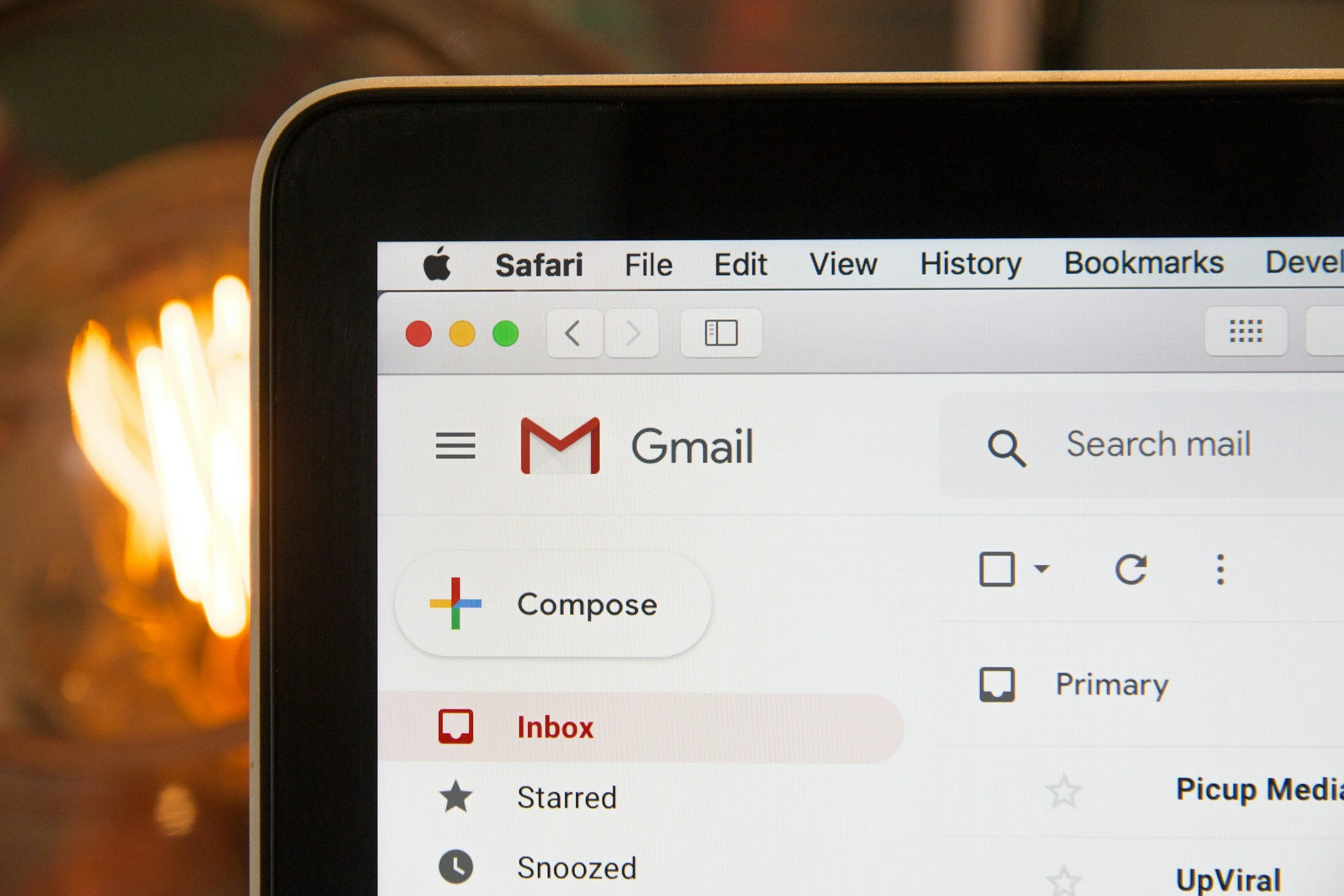
Your email list? That's yours. Every single person on it chose to hear from you, directly. No middleman. No algorithm deciding who sees your message. Just you, landing in someone's inbox because they asked you to. That's why building an email list isn't a nice-to-have for independent artists. It's the foundation of a career that can actually last.
Why Email Hits Different Than Social Media
Social media is great for discovery. Email is where the real relationship gets built. Think about it from a fan's perspective. Following someone on Instagram is passive - you scroll past their posts when the algorithm decides to show it to you. But subscribing to an email list is an active decision. That fan typed in their address and hit submit. They said: "Yes, I want this."
The numbers back this up. Email open rates for musicians average around 20–30%, compared to organic social media reach that's often sitting below 5%. Your email list is filled with people who actually want to hear from you. That's rare, and it's powerful. It also becomes one of your only reliable revenue tools. When you drop new music, announce a tour, or launch a merch run, your email list is where the real conversions happen - because you're talking to your most invested fans, not hoping the algorithm blesses you that day.
Building Your List: Where to Start
You don't need a massive following to start growing an email list. You need a reason for people to sign up.
Offer something worth signing up for.This is called a lead magnet - a free, immediate incentive that makes saying yes easy. Think: an exclusive demo, an acoustic version of a fan favourite, a behind-the-scenes mini-documentary, early access to unreleased lyrics, or a discount on your next merch drop. The more specific and personal it is, the better it converts.
Put your signup link everywhere, consistently.Your Instagram bio, your TikTok pinned comment, your YouTube about section, your website footer. Don't just post it once - mention it regularly and explain why someone should join. "Get a free demo + be the first to hear new music" is more compelling than "Join my mailing list."
Collect emails live. This is an underused goldmine. At shows, put a QR code on your merch table that links directly to your signup form. A paper signup sheet works too - just make sure you actually add those addresses to your list afterwards. The fan standing in front of you after a set is as warm as it gets. Make it easy for them to stay connected.
Segment as you grow. Once your list hits a few hundred subscribers, start tagging them by location (local vs. touring fans), engagement level (superfans vs. casual), and how they joined. A local fan doesn't need a global tour announcement. A superfan deserves early access before the general list gets it. Segmentation makes your emails feel personal rather than broadcast.
What to Actually Send
"But what do I even say?" This is the question that stops most artists from sending anything at all. Here's the truth: you already have more to say than you think.
The welcome email is your first impression. Thank them for signing up, deliver the promised freebie immediately, and introduce yourself briefly - not a full bio, just enough to make them feel like they know you a little. This sets the tone for everything that follows.
Behind-the-scenes content performs exceptionally well because it's something fans genuinely can't get anywhere else. What inspired this song? What happened in the studio this week? What's a moment from tour that didn't make it onto social? People who subscribed to your list want the version of you that isn't curated for the algorithm.
Exclusive drops give your list a reason to stay engaged. Give subscribers early access to singles before they go to streaming platforms. Let them see a new music video 48 hours before it goes public. Offer a limited merch run to your list first. This trains your audience to open your emails, because they know there's something in it for them.
Regular updates - new music, tour dates, collaborations, whatever you're working on - keep your list informed without needing to rely on an algorithm to surface the news for you.
Re-engagement emails for subscribers who've gone quiet. A simple "Hey, we haven't connected in a while - here's something just for you" with a small exclusive offer can win back fans who've drifted.
The golden rule: don't only email when you're selling something. Lead with value the majority of the time, and when you do promote, your audience will actually pay attention.
How to Turn Casual Listeners Into Superfans
The goal isn't just a big list. It's a connected list. Here's how email helps you deepen those relationships over time.
Automate your welcome sequence. When someone new joins, they shouldn't just get one email - they should get a short journey. Email 1: welcome and freebie. Email 2 (a few days later): your story and your best music. Email 3: an invitation to engage - reply with a question, vote on something, tell you how they found you. This sequence does the relationship-building work for you, even when you're on the road or deep in recording.
Ask questions and actually invite replies. "What song do you want to hear live on this next tour?" or "What's your favourite memory connected to this album?" turns a broadcast into a conversation. Fans who reply to your emails are your most invested people - treat them accordingly.
Make your list feel like a VIP room. Early ticket access before the general sale. Merch that's only available to subscribers. A private listening session for your top fans before an album drops. When your list feels like a genuine community with real perks, people don't just stay on it - they tell others about it.
Personalise wherever you can. Use your subscriber's first name. Reference the song or moment that got them on your list. Send show announcements only to fans in that city. The more an email feels like it was written for them, the more it resonates.
Tracking What's Working
You don't need to obsess over analytics, but ignoring them entirely means flying blind. These are the numbers worth paying attention to:
Open rate: The percentage of subscribers who open your emails. Under 20% usually means your subject lines need work, or you're emailing too often.
Click-through rate:Of the people who opened, how many clicked a link? This tells you whether your content is actually compelling.
Conversions: Are people streaming, buying, or signing up after clicking? This is your bottom line.
Unsubscribes: A few unsubscribes after every email is normal. A spike means something went wrong - you either emailed too frequently, sold too hard, or sent something that didn't land.
Test things deliberately. Try two different subject lines on the same email (most email platforms let you do this). Experiment with sending on Tuesday morning vs. Thursday evening. See whether short emails or longer ones get more clicks. Small experiments over time compound into a much more effective strategy.
The Mistakes That Quietly Kill Email Lists

Emailing too often. There's no universal right answer here, but for most independent artists, once or twice a month is plenty. More than that and you start feeling like noise.
Only showing up when you want something. If every email is "buy this," "stream this," "come to this show" - fans tune out fast. Your list should feel like hearing from a friend who happens to make music, not a promotional newsletter.
Ignoring your list for months, then mass-emailing. Going quiet and then suddenly hammering people with three emails in a week is a fast track to a wave of unsubscribes. Consistency matters more than frequency.
A weak signup offer.If your lead magnet is "sign up for updates," most people will scroll past it. Give them something real, something they actually want, in exchange for their email address.
Treating everyone the same. A fan who's been on your list for three years and opens every email deserves a different experience than someone who signed up last week. Segmentation isn't complicated - it just requires a little intentionality.
The Bottom Line
Here's the thing about social media: you're renting your audience. You're building on someone else's land, and the rules can change at any time. Your email list is the one place where you actually own the relationship. No algorithm, no platform, no follower count - just a direct line to the people who chose to show up for you.
Start small. Pick an email platform (Mailchimp, ConvertKit, and Flodesk are all solid choices for artists starting out). Set up a simple signup form. Create one genuinely good lead magnet. Send your first welcome email.
Your list won't be big at first. That's fine. A hundred fans who actually open your emails and buy tickets are worth more than ten thousand followers who scroll past your posts. Build those real relationships now, and they'll be the foundation of everything that comes next.
Want a Step-by-Step System to Make It All Work?
Here's the honest truth: your fans aren't ignoring you. You just haven't given them a reason to act yet.
That's exactly what DFM Consulting’s Turning Subscribers Into Superfans course is built to fix. It's a free, 5-day course delivered straight to your inbox - one short, practical email a day - that walks you through building the kind of email system that actually generates income.
By the end of the week, you'll have:
✓ A welcome sequence that automatically warms up every new subscriber
✓ A segmentation system that sends the right message to the right fans
✓ A repeatable email formula proven to drive sales without feeling pushy
✓ Automations generating revenue in the background while you focus on the music
Artists who've gone through the course report anywhere from $500 to $5,000+ per campaign once the right system is in place. No manager. No label. No marketing budget. Just music people care about and a list of fans who chose to be reached.
Every day your list sits idle is money left on the table. Five days from now, you could have a system running.