
5 Surprising Reasons Your Music Isn’t Getting Streams (That Nobody Talks About)
You’ve done the work: your track is polished, it’s live on Spotify and Apple Music, and you’ve posted about it on social media. But the streams? Barely moving.
Most artists immediately assume, “Maybe my song isn’t good enough.” That’s rarely true. More often, it’s because of small but critical details outside the music itself.
Here are five surprising reasons your music might not be connecting - and what to do about it.
1. Your Artwork Doesn’t Catch Attention
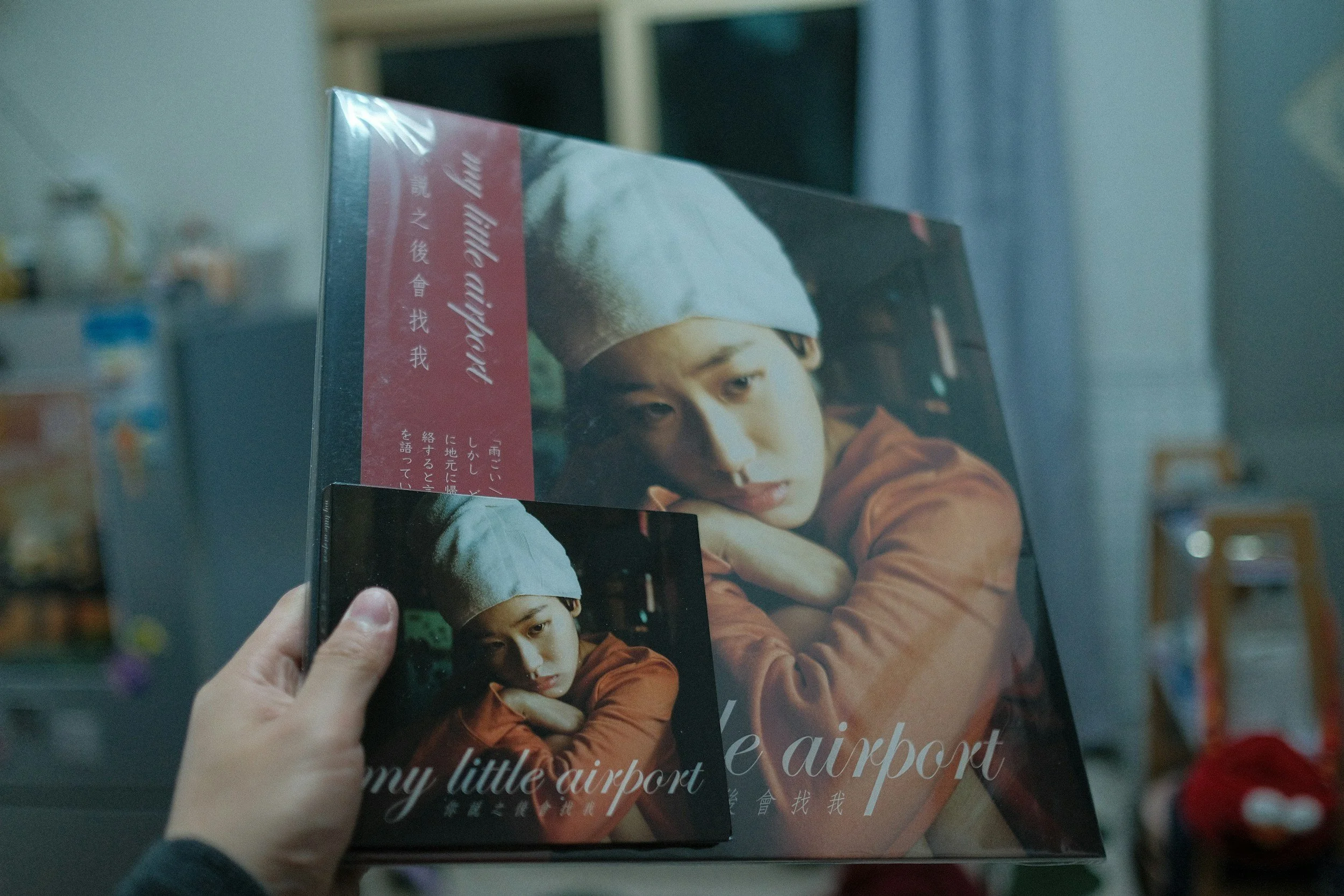
Streaming platforms are crowded. Listeners are scrolling through hundreds of songs, playlists, and recommendations. Your cover art is the first impression they get - before they even hear a note.
If your artwork looks generic, pixelated, or off-brand, people may subconsciously assume the music isn’t worth their time. Think about it: how many times have you clicked on a track simply because the artwork caught your eye?
Fix it:
Hire a graphic designer (even on Fiverr or Upwork) to create high-quality art.
Make sure your artwork matches your genre and vibe - a lo-fi hip-hop track shouldn’t have the same aesthetic as a death metal single.
Keep it simple but bold - busy designs don’t always translate well in small thumbnail sizes.
Create a visual identity across all your releases so fans start to recognize your brand at a glance.
2. Your Metadata Is Holding You Back
Metadata sounds boring, but it’s one of the most overlooked parts of music distribution. Metadata is basically the information behind your track - things like genre tags, credits, ISRC codes, and lyrics.
If this info is missing or inconsistent, platforms like Spotify and Apple Music don’t know how to categorize your track. That means fewer recommendations in algorithmic playlists like Discover Weekly or Release Radar.
Fix it:
Double-check all your information before submitting to your distributor.
Use accurate genre and sub-genre tags - don’t just pick “Pop” if your song is actually “Indie Pop / Dream Pop.”
Always credit producers, writers, and featured artists. Proper credits make you more discoverable.
Upload lyrics to platforms that support them (Spotify, Apple, Instagram Stories). Fans love singing along, and lyrics can also help with search visibility.
3. You’re Not Targeting the Right Listeners
Your music isn’t for everyone - and that’s a good thing. But if your promo strategy is too broad, you’ll waste energy promoting to people who were never going to be fans in the first place.
For example: posting your indie folk ballad in a general “new music” Facebook group is far less effective than sharing it in a group specifically for acoustic folk lovers. The wrong audience means low engagement, and low engagement signals to algorithms that your music isn’t connecting - which hurts your chances of organic growth.
Fix it:
Define your ideal listener persona: What other artists do they like? What hobbies or interests do they have? Where do they spend time online?
Promote your music in niche communities: Reddit threads, Discord servers, or Instagram hashtags tailored to your genre.
Run small ad campaigns targeting fans of artists with a similar sound.
Collaborate with creators (TikTokers, YouTubers, playlist curators) who already reach your target audience.
4. You Stopped Promoting Too Soon
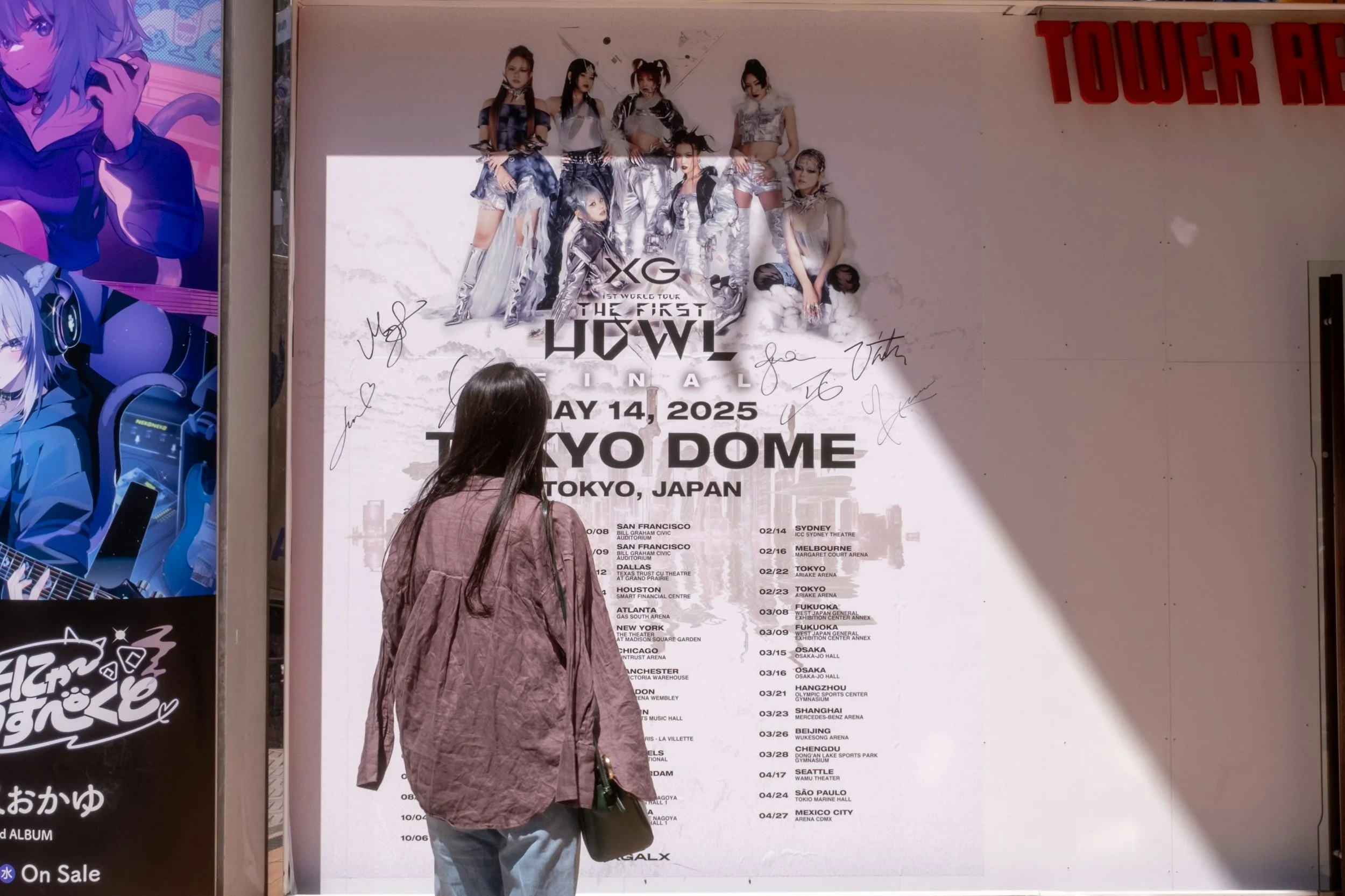
Here’s a tough truth: most indie artists stop promoting their song way too early. They push hard on release day, post once or twice afterward, and then move on to the next project. The problem? Songs rarely take off overnight.
Even big artists with huge budgets keep promoting a single for weeks or months. Algorithms reward consistency - the more saves, shares, and streams you collect over time, the more your song gets recommended. If you stop after release day, you’re cutting your own momentum short.
Fix it:
Plan a 6-week content rollout for each release: teasers before, hype during, alternate versions and fan engagement after.
Share different angles of the same track: acoustic versions, lyric breakdowns, behind-the-scenes clips, live performances.
Highlight fan reactions or repost covers to keep buzz alive.
Treat every release like a campaign, not a one-day event.
5. You Don’t Have a Clear Artist Brand
This one is huge. Music fans don’t just follow songs - they follow stories. If listeners don’t understand who you are, what you stand for, or what makes you unique, it’s harder for them to stick around after one listen.
A clear artist brand creates consistency. It tells your fans what to expect and helps you stand out in a crowded market. Without it, your promotion feels scattered, and people have nothing to connect to beyond the music itself.
Fix it:
Clarify your artist identity: What’s your message? What emotions or values run through your music?
Keep your visuals consistent - colors, fonts, photography style.
Share your story openly: Why did you write this song? What does it mean to you?
Align your brand across platforms: your Spotify bio, website, Instagram, TikTok, and even your merch should all feel connected.
If your music isn’t getting streams, it doesn’t mean you’re not talented. More often than not, it comes down to the details around the release - artwork, metadata, audience targeting, promo consistency, and branding…. the bigger strategy, if you will. By tightening up these areas, you’ll make your music easier to find, more appealing to new listeners, and more likely to keep fans coming back.
Because getting streams isn’t just about making great music - it’s about making it impossible for the right people to miss it.